

Environmental governance gains economic weight as Oman advances Vision 2040 ambitions
Environment Authority

OBG Logo
OBG and Environment Authority report examines how environmental protection supports investment, diversification and long-term economic resilience in Oman
Environmental protection is increasingly recognised not only as an ecological imperative, but also as a strategic economic asset”
MUSCAT, OMAN, June 9, 2026 /EINPresswire.com/ -- Environmental protection is becoming a more prominent feature of Oman’s economic transformation as policymakers align sustainability priorities more closely with infrastructure planning, investment conditions and long-term competitiveness under Oman Vision 2040. Launched during Oman Sustainability Week held on May 18-20, 2026, a new report by Oxford Business Group (OBG), produced in partnership with the sultanate’s Environment Authority (EA), examines how environmental stewardship supports resilience, sustainable growth and diversification across Oman’s economy.— HE Abdullah Bin Ali Al Amri, President of EA
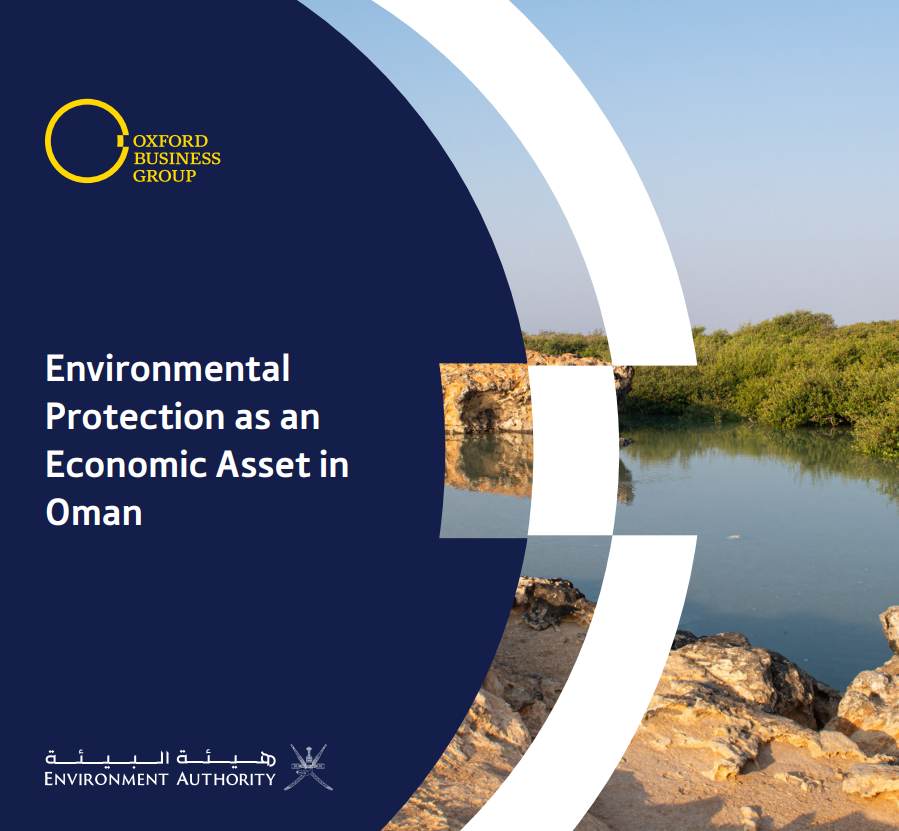
The publication, titled ‘Environmental Protection as an Economic Asset in Oman’, analyses the economic value of environmental protection and the role of regulatory frameworks in reducing exposure to environmental degradation, climate-related pressures and resource stress. It shows how stronger monitoring systems, permitting processes and cross-government coordination can improve policy predictability, reinforce investor confidence and support sustainable development pathways.
As the national authority responsible for environmental protection, regulation, monitoring, compliance and permitting, EA plays a central role in safeguarding natural capital and ensuring that development priorities are aligned with national sustainability objectives. Through its oversight of standards and implementation, the authority is helping to strengthen resilience, support investment confidence and embed sustainability considerations more firmly within long-term planning.
The report finds that environmental factors are becoming increasingly important to Oman’s economic outlook, as natural resources continue to play a central role in government revenue, trade and wider diversification efforts. In this context, stronger regulatory oversight is helping to reduce long-term risk, protect asset value and improve economic predictability at a time when sustainability standards are playing a growing role in global trade and finance.
The analysis also highlights the economic costs associated with environmental degradation, including the effects of air and water stress, biodiversity loss and climate volatility on health
outcomes, infrastructure systems, productivity and public expenditure. By integrating environmental risk management into national planning, Oman strengthens infrastructure resilience, improves investment confidence and supports more stable long-term growth.
To illustrate these dynamics in practice, the report features case studies from Asyad Group, Oman Environmental Services Holding Company (be’ah) and Nama Water Services, highlighting how environmental standards are being applied across the logistics, waste, utilities and energy segments. These examples show how sustainability measures support operational efficiency, resource management and service continuity across key parts of the economy.
Commenting ahead of the launch, Rabee Mohammed Al Rahbi, Director of EA’s Environmental Standards and Measures Centre, emphasised the importance of environmental governance.
“Environmental standards play a vital role in strengthening environmental governance through clear frameworks, measurable criteria and unified procedures for environmental management and compliance,” Al Rahbi said. “They support transparency, accountability and evidence-based decision-making, while contributing to sustainability objectives related to climate action, pollution control, biodiversity conservation and long-term environmental resilience.”
The report includes a Foreword from HE Abdullah Bin Ali Al Amri, President of EA, who highlights the growing importance of environmental protection as both a national priority and an economic asset aligned with Oman Vision 2040.
“Environmental protection is increasingly recognised not only as an ecological imperative, but also as a strategic economic asset,” HE Al Amri said. “This report highlights how environmental governance supports resilience, safeguards natural assets and contributes to long-term economic performance, at a time when countries that combine credible governance with disciplined implementation are better positioned to compete in an increasingly sustainability-oriented global economy.”
Looking ahead, Dana Carmen Agarbicean, OBG’s Country Director for Oman, said the findings underline how closely environmental performance is now linked to the country’s economic outlook and investment appeal.
“Environmental performance is becoming part of how investors look at risk and opportunity in Oman. Stronger environmental governance can support more predictable conditions for capital, improve confidence in long-term projects and reinforce the country’s competitiveness as it diversifies,” she added.
The report also argues that embedding sustainability objectives within infrastructure, utilities and trade systems supports operational efficiency, resource sustainability and emerging low-carbon opportunities, reinforcing the view that environmental performance and economic competitiveness are increasingly interdependent.
In addition, the publication reviews Oman’s growing international environmental engagement – including the sultanate’s presidency of the seventh session of the UN Environment Assembly (UNEA-7), which positioned the country at the centre of global discussions on environmental solutions and sustainable development. It shows how sustainability governance is helping to position Oman for more resilient, competitive and future-ready growth as it advances its Vision 2040 ambitions.
Environmental Protection as an Economic Asset in Oman is now available to view and download at: https://oxfordbusinessgroup.com/reports/report-examining-the-economic-value-of-environmental-protection-and-governance-in-oman-environment-authority-research-analysis-focus-report/
-end-
ARABIC VERSION
الحوكمة البيئية تشهد زخماً اقتصادياً متزايداً مع مواصلة سلطنة عُمان تنفيذ مستهدفات رؤية عُمان 2040
تقرير مشترك صادر عن مجموعة أكسفورد للأعمال وهيئة البيئة يستعرض كيف يمكن لحماية البيئة أن تدعم الاستثمار والتنويع الاقتصادي وتعزز المرونة الاقتصادية طويلة الأمد في سلطنة عُمان
في إطار مسيرتها المتواصلة في التحول الاقتصادي، يبدو أن حماية البيئة أصبحت تشكل عنصراً أكثر بروزاً في سلطنة عُمان، في ظل توجه صناع القرار نحو مواءمة أولويات الاستدامة بشكل أوثق مع تخطيط البنية الأساسية، ومتطلبات الاستثمار، والتنافسية طويلة الأمد ضمن إطار رؤية عُمان 2040. وأُطلق التقرير الجديد الصادر عن مجموعة أكسفورد للأعمال، بالتعاون مع هيئة البيئة، خلال أسبوع عُمان للاستدامة الذي أقيم خلال الفترة من 18 إلى 20 مايو 2026، حيث يستعرض التقرير كيف تساهم الحوكمة البيئية في تعزيز المرونة، وتحقيق النمو المستدام، ودعم جهود التنويع الاقتصادي في السلطنة.
ويحلل التقرير، الذي يحمل عنوان «حماية البيئة كأصل اقتصادي في سلطنة عُمان»، القيمة الاقتصادية لحماية البيئة، ودور الأطر التنظيمية في الحد من التعرض للتدهور البيئي، والضغوط المرتبطة بالمناخ، واستنزاف الموارد. كما يوضح كيف يمكن لأنظمة المراقبة الأكثر تطوراً، وإجراءات التصاريح، والتنسيق الحكومي المشترك، أن تسهم في تعزيز وضوح السياسات، وترسيخ ثقة المستثمرين، ودعم مسارات التنمية المستدامة.
وبصفتها الجهة الوطنية المعنية بحماية البيئة والتنظيم والمراقبة والامتثال والتصاريح البيئية، تؤدي هيئة البيئة دوراً محورياً في حماية رأس المال الطبيعي وضمان مواءمة أولويات التنمية مع أهداف الاستدامة الوطنية. ومن خلال إشرافها على المعايير وآليات التنفيذ، تسهم الهيئة في تعزيز المرونة، ودعم ثقة المستثمرين، وترسيخ مفاهيم الاستدامة بشكل أكبر ضمن خطط التنمية طويلة الأجل.
ويشير التقرير إلى أن العوامل البيئية أصبحت تكتسب أهمية متزايدة في المشهد الاقتصادي العُماني، في ظل استمرار الموارد الطبيعية في لعب دور رئيسي في الإيرادات الحكومية، والتجارة، وجهود التنويع الاقتصادي
بشكل عام. وفي هذا السياق، تسهم الرقابة التنظيمية الأقوى في الحد من المخاطر طويلة الأمد، وحماية قيمة الأصول، وتعزيز القدرة على التنبؤ الاقتصادي، في وقت باتت فيه معايير الاستدامة تؤدي دوراً متنامياً في التجارة والتمويل العالميين.
كما يسلط التقرير الضوء على التكاليف الاقتصادية المرتبطة بالتدهور البيئي، بما في ذلك آثار تلوث الهواء وشح المياه، وفقدان التنوع الأحيائي، والتقلبات المناخية على النتائج الصحية، وأنظمة البنية الأساسية، والإنتاجية، والإنفاق العام. ومن خلال دمج إدارة المخاطر البيئية ضمن التخطيط الوطني، تعزز سلطنة عُمان مرونة البنية الأساسية، وترفع ثقة المستثمرين، وتدعم تحقيق نمو أكثر استقراراً على المدى الطويل.
ولتوضيح هذه التوجهات عملياً، يتضمن التقرير دراسات حالة لكل من مجموعة أسياد، والشركة العُمانية القابضة لخدمات البيئة (بيئة)، ونماء لخدمات المياه، حيث يستعرض كيفية تطبيق المعايير البيئية في قطاعات الخدمات اللوجستية، وإدارة النفايات، والمرافق، والطاقة. وتوضح هذه الأمثلة كيف تسهم ممارسات الاستدامة في تعزيز الكفاءة التشغيلية، وإدارة الموارد، واستمرارية الخدمات عبر قطاعات رئيسية في الاقتصاد.
وفي تعليق له قبيل إطلاق التقرير، أكد الدكتور ربيع بن محمد الرحبي، مدير مركز المعايير والمقاييس البيئية بهيئة البيئة، على أهمية الحوكمة البيئية، قائلاً: "تلعب المعايير البيئية دوراً محورياً في تعزيز الحوكمة البيئية من خلال أطر واضحة، ومعايير قابلة للقياس، وإجراءات موحدة للإدارة والامتثال البيئي. كما تدعم الشفافية، والمساءلة، واتخاذ القرارات المبنية على الأدلة، إلى جانب مساهمتها في تحقيق أهداف الاستدامة المرتبطة بالعمل المناخي، والحد من التلوث، والحفاظ على التنوع الأحيائي، وتعزيز المرونة البيئية طويلة الأمد".
ويتضمن التقرير كلمة افتتاحية لسعادة الدكتور عبدالله بن علي العمري، رئيس هيئة البيئة، الذي يؤكد فيها على تنامي أهمية حماية البيئة باعتبارها أولوية وطنية وأصلاً اقتصادياً يتماشى مع مستهدفات رؤية عُمان 2040.
حيث يقول سعادته: "أصبحت حماية البيئة تُنظر إليها بشكل متزايد ليس فقط كضرورة بيئية، بل أيضاً كأصل اقتصادي استراتيجي. ويسلط هذا التقرير الضوء على كيفية مساهمة الحوكمة البيئية في تعزيز المرونة،
وحماية الأصول الطبيعية، ودعم الأداء الاقتصادي طويل الأمد، في وقت أصبحت فيه الدول التي تجمع بين الحوكمة الرشيدة والتنفيذ المنضبط أكثر قدرة على المنافسة في اقتصاد عالمي يتجه بشكل متزايد نحو الاستدامة".
ومن جانبها، أكدت دانا كارمن أغاربيسيان، المديرة الإقليمية لمجموعة أكسفورد للأعمال في سلطنة عُمان، أن نتائج التقرير تعكس مدى الترابط المتزايد بين الأداء البيئي والتوقعات الاقتصادية وجاذبية الاستثمار في السلطنة. حيث قالت: "أصبح الأداء البيئي جزءاً أساسياً من كيفية تقييم المستثمرين للمخاطر والفرص في سلطنة عُمان. ويمكن للحوكمة البيئية الأقوى أن تسهم في توفير بيئة أكثر استقراراً لرؤوس الأموال، وتعزيز الثقة في المشاريع طويلة الأمد، ودعم تنافسية السلطنة مع استمرار جهود التنويع الاقتصادي".
كما يشير التقرير إلى أن دمج أهداف الاستدامة ضمن قطاعات البنية الأساسية، والمرافق، والتجارة، يسهم في تعزيز الكفاءة التشغيلية، واستدامة الموارد، وخلق فرص جديدة مرتبطة بالاقتصاد منخفض الكربون، مما يعزز من الترابط المتزايد بين الأداء البيئي والتنافسية الاقتصادية.
إضافة إلى ذلك، يستعرض التقرير تنامي الحضور البيئي الدولي لسلطنة عُمان، بما في ذلك رئاسة السلطنة للدورة السابعة لجمعية الأمم المتحدة للبيئة، وهو ما وضع البلاد في قلب النقاشات العالمية المتعلقة بالحلول البيئية والتنمية المستدامة. ويوضح التقرير كيف تسهم حوكمة الاستدامة في تعزيز مكانة سلطنة عُمان كاقتصاد أكثر مرونة وتنافسية وجاهزية للمستقبل، مع مواصلة تنفيذ مستهدفات رؤية عُمان 2040.
تقرير "حماية البيئة كأصل اقتصادي في سلطنة عُمان" متاح الآن للاطلاع والتنزيل عبر الرابط التالي: -value-economic-the-examining-https://oxfordbusinessgroup.com/reports/report-authority-environment-oman-in-governance-and-protection-environmental-fo report/-focus-analysis-esearchr
Marc-André de Blois
About Oxford Business Group
email us here
Visit us on social media:
LinkedIn
Facebook
YouTube
X
Legal Disclaimer:
EIN Presswire provides this news content "as is" without warranty of any kind. We do not accept any responsibility or liability for the accuracy, content, images, videos, licenses, completeness, legality, or reliability of the information contained in this article. If you have any complaints or copyright issues related to this article, kindly contact the author above.
