

5 MWh BESS Container Alternatives: How Modular Solutions Overcome Transportation Restrictions in Italy
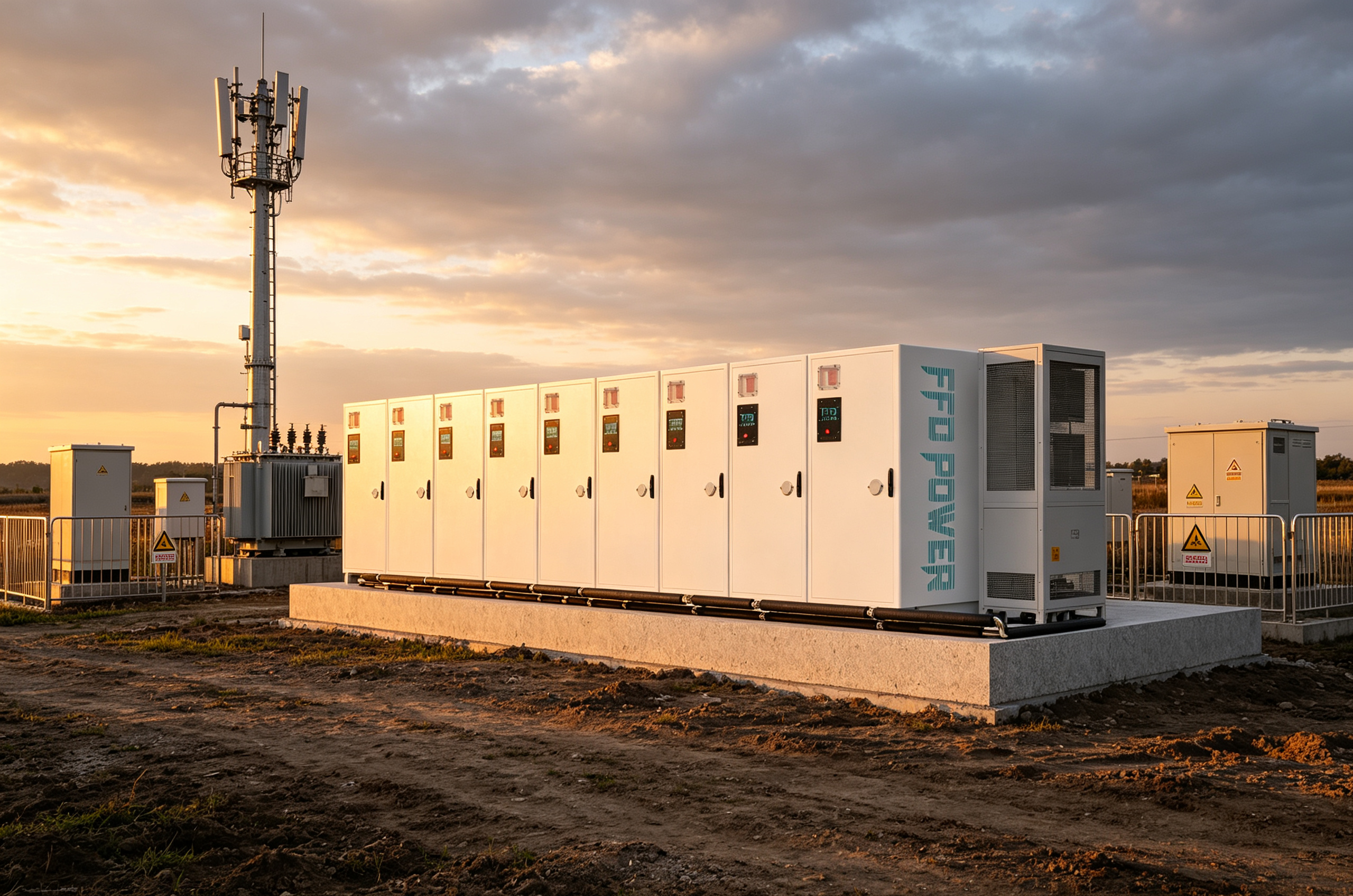
Outdoor field deployment photo at golden hour: row of six white FFD POWER Galaxy 836L liquid-cooled BESS cabinets on a concrete foundation next to a 110 kV transformer and cellular telecom tower, fenced site, weak-grid and backup-power use case.
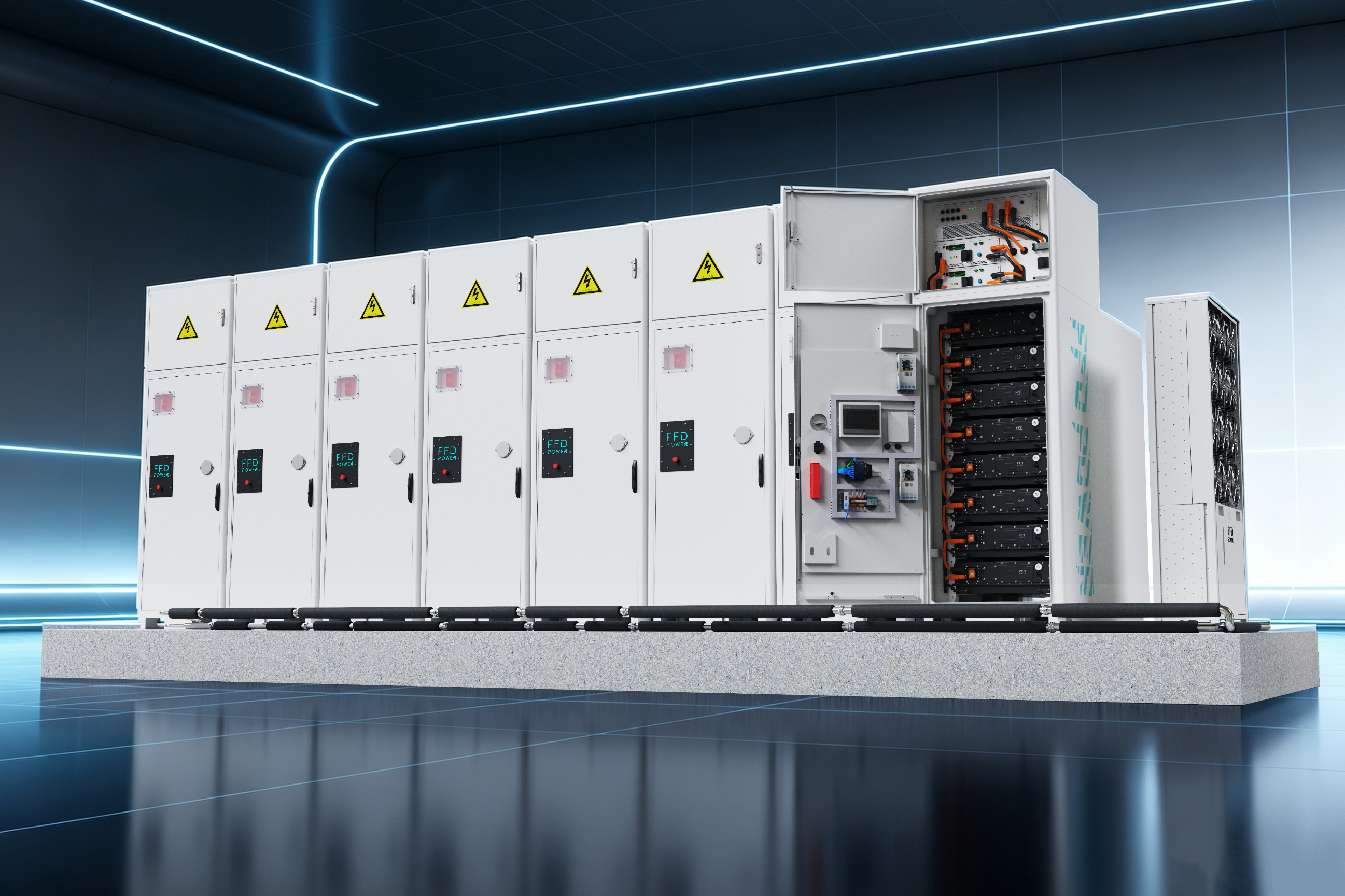
Galaxy 836L modular liquid-cooled BESS bank — six 836 kWh cabinets in parallel, one opened to show the LFP rack, 210 kW PCS and Siemens PLC control bay, with external centralized liquid-cooling unit.
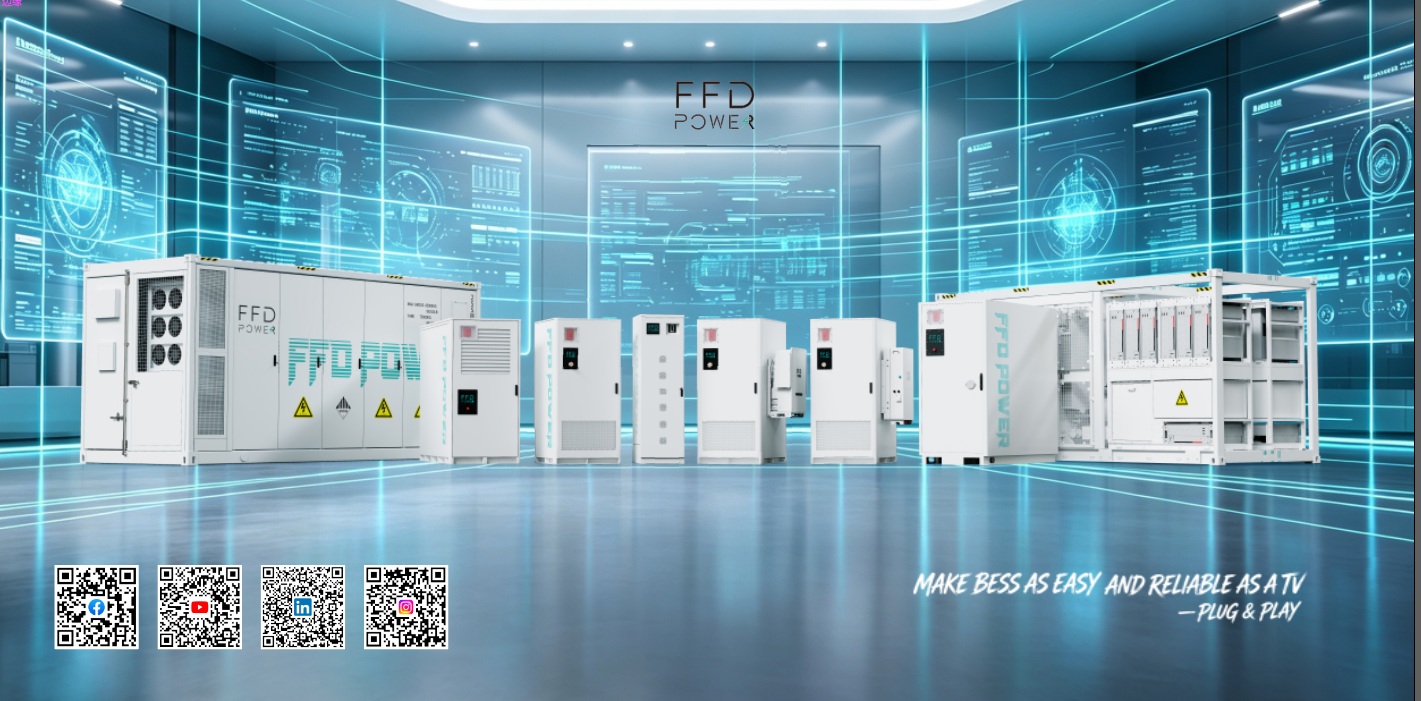
FFD POWER's full BESS lineup — from grid-scale container systems to sub-7-ton modular C&I cabinets (Galaxy 836L, 836 kWh/210 kW) — designed for standard-truck delivery under Italy's new MIT Circular 20655.
MIT Circular 20655/2026 limits UN3536 oversized BESS shipments to grid-stabilization projects. C&I installers must rethink container design.
DONGGUAN, GUANGDONG, CHINA, October 15, 2026 /EINPresswire.com/ -- DONGGUAN, China / ROME, Italy — October 15, 2026 —
On July 6, 2026, the Italian Ministry of Infrastructure and Transport (Ministero delle Infrastrutture e dei Trasporti, MIT) issued Circular No. 20655, signed by Director General Gaetano Servedio, redefining how lithium BESS containers classified as UN 3536 may legally move on Italian roads. The full Italian text is published here:
https://www.circolazione-stradale.it/Normativa/Anno-2026/Circolare-20260706_20655-MIT
The message is blunt. Under Article 368 of the Italian Highway Code, transporting dangerous goods on oversize vehicles is prohibited. MIT may issue single, specific and justified derogations only for transport of national interest — specifically for BESS containers connected to strategic grid nodes pre-designated by the TSO/DSO to stabilize the network. From now on, derogation applications for any other use case — commercial & industrial (C&I), behind-the-meter, off-grid, microgrid or backup power — will no longer be accepted. Applicants must either adopt alternative transport modes or reduce unit weight to comply with ordinary road limits.
**Why Italy suddenly raised the bar**
The trigger is the 5 MWh-class 20-foot container that has become the industry default over the past three years. Fully loaded, these units weigh 32–38 t and stand 2.6 m+ tall, requiring oversize permits, pilot cars, police escorts and months of route engineering. On Italy's narrow, historic local roads, the safety risk and traffic disruption have become politically untenable. The circular does not ban the product — it removes the administrative shortcut that let a single 40 t+ container roll straight to a customer's loading dock.
**Italy today, Europe tomorrow?**
The structural pressure is identical across the EU: ADR dangerous-goods rules, the directive on oversize vehicles, and national gross-weight limits (typically 40–44 t) already exist. Italy is simply the first member state to formally close the derogation window for non-grid projects. German federal highway authorities are already rejecting C&I oversize BESS permits ad hoc, and French and Spanish counterparts are reviewing similar clauses. Expect a wave of copy-circulars before 2027.
**Is higher integration always better?**
The industry bet that squeezing 5 MWh into one steel box would cut CAPEX and shave commissioning time. The hidden cost was transport. A 5 MWh container that needs a special permit, a police escort and a six-month approval queue has a delivery schedule no C&I customer can underwrite. Integration that cannot be moved is not integration — it is a stranded asset. The right question is no longer "how many kWh in one box" but "how many kWh can a standard truck deliver to the customer's dock on a Friday afternoon."
**What comes after the 5 MWh era**
Two paths remain. (a) Ship the container in kit form and assemble on site, adding 5–10% labor and weeks of commissioning. (b) Deploy sub-7-ton modular cabinets that ordinary trucks deliver, that crane onto a 2 m² pad, and that commission in hours. The second path is where projects actually get built.
**FFD POWER Galaxy 836L — four structural advantages**
The Galaxy 836L is a 210 kW / 836 kWh modular liquid-cooled C&I battery cabinet purpose-built for this regulatory shift:
1. **Weight-compliant transport.** Each cabinet weighs ≈7,000 kg — below the ordinary truck limit, no oversize permit, no police escort, no TSO letter required. Four units fit into one 40 ft HQ container for 3.34 MWh of shipped capacity.
2. **n×836 kWh modular scaling.** A 2 m² footprint delivers 0.836 MWh. From a 500 kWh C&I peak-shaving site to a 50 MWh standalone plant, cabinets are paralleled on site; up to 100 cabinets run in parallel on Siemens PROFINET IRT.
3. **800V AC-coupled energy storage system, transformerless.** The 210 kW PCS outputs 690/800 V AC, directly matching transformerless string inverters for seamless PV-storage co-location — no LV/MV transformer, no extra conversion loss.
4. **Italy-ready certification and 3-hour commissioning.** The platform is a CEI 0-16 certified BESS (Italian grid code), also holding VDE 4105/4110, EN 50549 and CE-EMC/LVD. Siemens PLC-based EMS enables remote commissioning, FCR-ready software upgrade with zero hardware swap, and zero first-year capacity degradation.
"Once a 5 MWh container can no longer reach a C&I site on a standard truck, the entire economics of European storage project delivery change," said Frank Li, Operations Director at FFD POWER. "The winners will be vendors whose product fits the road, not just the datasheet."
For project documentation, datasheet and the CEI 0-16 certificate pack, contact FFD POWER at sales@ffdtec.com or visit https://www.ffdpower.com. A full modular liquid-cooled C&I battery cabinet brochure is available on request.
About FFD POWER
Founded in 2012, FFD POWER delivers integrated C&I and grid-scale storage turnkey solutions, with over 2,300 overseas systems deployed by 2025 across 35+ countries.
ang li
FFD POWER
+86 133 7777 3990
Visit us on social media:
LinkedIn
Instagram
Facebook
YouTube
Other
Explore how FFD POWER leading the Plug & Play BESS Market (Products, Manufacturing & Global Projects)
Legal Disclaimer:
EIN Presswire provides this news content "as is" without warranty of any kind. We do not accept any responsibility or liability for the accuracy, content, images, videos, licenses, completeness, legality, or reliability of the information contained in this article. If you have any complaints or copyright issues related to this article, kindly contact the author above.
