ECO-WORTHY Explains How to Choose the Right Residential ESS Battery for Home Energy Storage
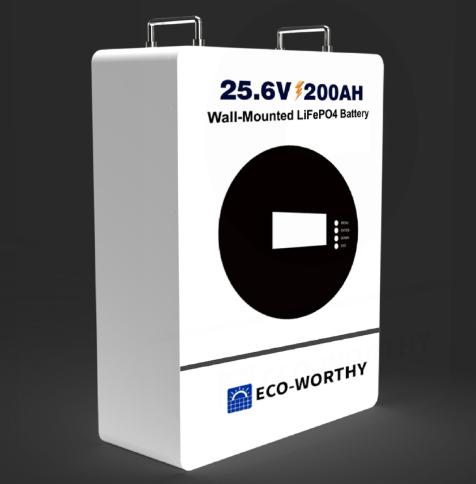
XIAMEN, FUJIAN, CHINA, October 15, 2026 /EINPresswire.com/ -- As residential energy storage becomes an increasingly important part of modern energy management, choosing the right residential ESS battery requires careful consideration of capacity, safety, system compatibility, and future household electricity needs. For homeowners, installers, and energy solution providers, selecting an appropriate battery can help improve solar energy utilization, provide backup power, and support more flexible electricity management. ECO-WORTHY, a brand specializing in lithium iron phosphate (LiFePO4) battery technology and off-grid solar power solutions, highlights several important factors to consider when evaluating home energy storage options.
Understanding the Role of a Residential ESS Battery
A residential energy storage system (ESS) stores electricity for later use. When integrated with solar panels, a battery can store surplus electricity generated during the day and make it available during evening hours or periods of reduced solar production. Depending on the system configuration, stored energy may also support selected household appliances during grid interruptions.
A residential ESS battery is therefore more than a standalone power source. It is a component of a broader energy system that may include solar panels, an inverter, a battery management system (BMS), monitoring equipment, and household electrical circuits.
The appropriate configuration depends on the property's energy consumption, available installation space, local electricity tariffs, and the desired level of backup coverage. Understanding these requirements before selecting a battery can help homeowners avoid unnecessary capacity costs or insufficient energy storage.
1. Match Battery Capacity with Household Energy Consumption
Battery capacity is one of the first specifications to evaluate. It is generally expressed in kilowatt-hours (kWh), indicating how much energy a battery can store. However, the amount of electricity available to household appliances also depends on usable capacity, system efficiency, operating conditions, and inverter limitations.
A practical starting point is to review electricity bills and identify when energy consumption is highest. Homes that use substantial electricity after sunset may benefit from greater storage capacity, while households with modest overnight consumption may require a smaller system.
For example, a household that needs 8 kWh of stored energy overnight should evaluate a battery configuration that can deliver that amount after accounting for usable capacity and conversion losses. The final selection should also consider whether the battery is expected to support essential appliances or a wider range of household loads.
ECO-WORTHY offers residential ESS battery options in different capacities and configurations, including stackable batteries, wall-mounted batteries, and server-rack models. These product formats provide different approaches to organizing home energy storage, depending on the required capacity and available installation space.
2. Evaluate Battery Chemistry and Safety Features
Battery chemistry influences energy density, operating characteristics, service life, and safety requirements. Lithium iron phosphate, commonly known as LiFePO4 or LFP, is widely used in residential storage because of its thermal stability and suitability for repeated charging and discharging.
Nevertheless, battery chemistry alone does not determine overall system safety. Battery construction, electrical protection, installation quality, temperature management, and compliance with applicable standards also matter.
A battery management system monitors operating parameters such as voltage, current, and temperature. Depending on its design, the BMS can help protect against conditions including overcharging, excessive discharge, and overcurrent. Additional protective devices, such as circuit breakers, may provide another layer of electrical protection.
ECO-WORTHY specializes in LiFePO4 battery technology and identifies UL1973, CE, and ISO9001-related credentials in its company information. Buyers should verify the precise certifications and documentation applicable to the specific battery model and complete installation, as certification requirements vary by market and application.
3. Check Inverter Compatibility and Electrical Requirements
A residential ESS battery must work with the inverter and other components in the energy system. Compatibility should therefore be confirmed before purchase rather than assessed solely on the basis of battery capacity or price.
Important specifications include nominal voltage, charging and discharging current, maximum power, communication protocols, and supported operating modes. Some systems use CAN or RS485 communication to exchange operating information between the battery and inverter. The exact protocol, configuration, and supported firmware should be checked against the manufacturers' compatibility documentation.
Voltage is particularly important. A 24V battery, for example, should not be assumed to work directly with a system designed exclusively for 48V batteries. Similarly, a battery's stored energy capacity does not indicate how much power it can supply at any given moment.
Homeowners planning to operate high-demand appliances should evaluate both the battery's discharge capability and the inverter's continuous and surge power ratings. Professional system design can help ensure that the selected components operate within their specified limits.
4. Consider Expandability and Installation Space
Household energy requirements may change as families add appliances, install electric vehicle chargers, or expand their solar installations. A battery system that supports future capacity expansion may offer greater flexibility than a configuration with limited upgrade options.
Stackable batteries can help organize multiple storage units into a compact installation. Wall-mounted models may be suitable for properties with limited floor space, while server-rack batteries can provide a structured approach to larger or modular installations.
ECO-WORTHY's residential ESS battery range includes products such as the 48V 100Ah Stackable Battery, the 48V 100Ah Wall-Mount Indoor Battery, the Cubix 100 Pro 48V 100Ah Server Rack Battery, and higher-capacity options such as its 51.2V 314Ah LiFePO4 battery.
These examples illustrate the range of available formats rather than interchangeable solutions. Before expanding a system, buyers should confirm the permitted battery combinations, parallel connection limits, inverter requirements, protection settings, and installation instructions for the selected model.
5. Assess Monitoring, Maintenance, and Long-Term Value
Monitoring capabilities can make residential energy storage easier to manage. Depending on the system, users may be able to review battery status, charging activity, remaining capacity, and relevant operating information through a display or compatible monitoring interface.
These functions can help households understand how solar generation, battery charging, and electricity consumption interact throughout the day. They may also help installers identify operating issues more efficiently.
Long-term value should be assessed through more than the initial purchase price. Buyers should consider usable capacity, expected cycle life under specified conditions, warranty coverage, replacement availability, installation expenses, and the cost of compatible system components.
Environmental conditions also influence battery performance. Temperature, installation location, ventilation requirements, and protection from moisture should be considered according to the manufacturer's instructions. A properly planned installation can help support reliable operation over the intended service period.
6. Consider the Manufacturer's Technical and Supply Capabilities
The manufacturer's experience, production resources, and quality management processes are additional factors when comparing residential ESS battery suppliers.
Established in 2007, Xiamen Eco-Sources Technology Co., Ltd. develops lithium battery products under the ECO-WORTHY brand. According to its company information, the business operates a 30,000-square-meter manufacturing facility in Xiamen and has annual production capacity exceeding 8 GWh.
The company also reports a 60-person research and development team, 60 patents, and 25 quality control specialists. These resources support its work in battery technology, product development, and quality management. Its product portfolio covers residential energy storage batteries and other independent solar power solutions.
ECO-WORTHY also provides OEM and ODM energy storage services for customers with specific project requirements. Such services may be relevant to distributors, installers, and businesses evaluating customized product configurations. Buyers should discuss technical specifications, certification needs, production arrangements, and delivery requirements directly with the supplier.
Making an Informed Residential ESS Battery Decision
Choosing the right residential ESS battery begins with a clear understanding of household electricity consumption and backup power objectives. Capacity, battery chemistry, protection features, inverter compatibility, installation requirements, expandability, and long-term support should all be evaluated together.
ECO-WORTHY's residential ESS battery portfolio includes several form factors and capacity options for different home energy storage requirements. By comparing model specifications and confirming system compatibility before installation, homeowners and energy professionals can make more informed decisions about their energy storage projects.
For additional information about residential ESS battery models, technical specifications, and available energy storage solutions, visit the official ECO-WORTHY website. https://www.eco-sources.com/
Understanding the Role of a Residential ESS Battery
A residential energy storage system (ESS) stores electricity for later use. When integrated with solar panels, a battery can store surplus electricity generated during the day and make it available during evening hours or periods of reduced solar production. Depending on the system configuration, stored energy may also support selected household appliances during grid interruptions.
A residential ESS battery is therefore more than a standalone power source. It is a component of a broader energy system that may include solar panels, an inverter, a battery management system (BMS), monitoring equipment, and household electrical circuits.
The appropriate configuration depends on the property's energy consumption, available installation space, local electricity tariffs, and the desired level of backup coverage. Understanding these requirements before selecting a battery can help homeowners avoid unnecessary capacity costs or insufficient energy storage.
1. Match Battery Capacity with Household Energy Consumption
Battery capacity is one of the first specifications to evaluate. It is generally expressed in kilowatt-hours (kWh), indicating how much energy a battery can store. However, the amount of electricity available to household appliances also depends on usable capacity, system efficiency, operating conditions, and inverter limitations.
A practical starting point is to review electricity bills and identify when energy consumption is highest. Homes that use substantial electricity after sunset may benefit from greater storage capacity, while households with modest overnight consumption may require a smaller system.
For example, a household that needs 8 kWh of stored energy overnight should evaluate a battery configuration that can deliver that amount after accounting for usable capacity and conversion losses. The final selection should also consider whether the battery is expected to support essential appliances or a wider range of household loads.
ECO-WORTHY offers residential ESS battery options in different capacities and configurations, including stackable batteries, wall-mounted batteries, and server-rack models. These product formats provide different approaches to organizing home energy storage, depending on the required capacity and available installation space.
2. Evaluate Battery Chemistry and Safety Features
Battery chemistry influences energy density, operating characteristics, service life, and safety requirements. Lithium iron phosphate, commonly known as LiFePO4 or LFP, is widely used in residential storage because of its thermal stability and suitability for repeated charging and discharging.
Nevertheless, battery chemistry alone does not determine overall system safety. Battery construction, electrical protection, installation quality, temperature management, and compliance with applicable standards also matter.
A battery management system monitors operating parameters such as voltage, current, and temperature. Depending on its design, the BMS can help protect against conditions including overcharging, excessive discharge, and overcurrent. Additional protective devices, such as circuit breakers, may provide another layer of electrical protection.
ECO-WORTHY specializes in LiFePO4 battery technology and identifies UL1973, CE, and ISO9001-related credentials in its company information. Buyers should verify the precise certifications and documentation applicable to the specific battery model and complete installation, as certification requirements vary by market and application.
3. Check Inverter Compatibility and Electrical Requirements
A residential ESS battery must work with the inverter and other components in the energy system. Compatibility should therefore be confirmed before purchase rather than assessed solely on the basis of battery capacity or price.
Important specifications include nominal voltage, charging and discharging current, maximum power, communication protocols, and supported operating modes. Some systems use CAN or RS485 communication to exchange operating information between the battery and inverter. The exact protocol, configuration, and supported firmware should be checked against the manufacturers' compatibility documentation.
Voltage is particularly important. A 24V battery, for example, should not be assumed to work directly with a system designed exclusively for 48V batteries. Similarly, a battery's stored energy capacity does not indicate how much power it can supply at any given moment.
Homeowners planning to operate high-demand appliances should evaluate both the battery's discharge capability and the inverter's continuous and surge power ratings. Professional system design can help ensure that the selected components operate within their specified limits.
4. Consider Expandability and Installation Space
Household energy requirements may change as families add appliances, install electric vehicle chargers, or expand their solar installations. A battery system that supports future capacity expansion may offer greater flexibility than a configuration with limited upgrade options.
Stackable batteries can help organize multiple storage units into a compact installation. Wall-mounted models may be suitable for properties with limited floor space, while server-rack batteries can provide a structured approach to larger or modular installations.
ECO-WORTHY's residential ESS battery range includes products such as the 48V 100Ah Stackable Battery, the 48V 100Ah Wall-Mount Indoor Battery, the Cubix 100 Pro 48V 100Ah Server Rack Battery, and higher-capacity options such as its 51.2V 314Ah LiFePO4 battery.
These examples illustrate the range of available formats rather than interchangeable solutions. Before expanding a system, buyers should confirm the permitted battery combinations, parallel connection limits, inverter requirements, protection settings, and installation instructions for the selected model.
5. Assess Monitoring, Maintenance, and Long-Term Value
Monitoring capabilities can make residential energy storage easier to manage. Depending on the system, users may be able to review battery status, charging activity, remaining capacity, and relevant operating information through a display or compatible monitoring interface.
These functions can help households understand how solar generation, battery charging, and electricity consumption interact throughout the day. They may also help installers identify operating issues more efficiently.
Long-term value should be assessed through more than the initial purchase price. Buyers should consider usable capacity, expected cycle life under specified conditions, warranty coverage, replacement availability, installation expenses, and the cost of compatible system components.
Environmental conditions also influence battery performance. Temperature, installation location, ventilation requirements, and protection from moisture should be considered according to the manufacturer's instructions. A properly planned installation can help support reliable operation over the intended service period.
6. Consider the Manufacturer's Technical and Supply Capabilities
The manufacturer's experience, production resources, and quality management processes are additional factors when comparing residential ESS battery suppliers.
Established in 2007, Xiamen Eco-Sources Technology Co., Ltd. develops lithium battery products under the ECO-WORTHY brand. According to its company information, the business operates a 30,000-square-meter manufacturing facility in Xiamen and has annual production capacity exceeding 8 GWh.
The company also reports a 60-person research and development team, 60 patents, and 25 quality control specialists. These resources support its work in battery technology, product development, and quality management. Its product portfolio covers residential energy storage batteries and other independent solar power solutions.
ECO-WORTHY also provides OEM and ODM energy storage services for customers with specific project requirements. Such services may be relevant to distributors, installers, and businesses evaluating customized product configurations. Buyers should discuss technical specifications, certification needs, production arrangements, and delivery requirements directly with the supplier.
Making an Informed Residential ESS Battery Decision
Choosing the right residential ESS battery begins with a clear understanding of household electricity consumption and backup power objectives. Capacity, battery chemistry, protection features, inverter compatibility, installation requirements, expandability, and long-term support should all be evaluated together.
ECO-WORTHY's residential ESS battery portfolio includes several form factors and capacity options for different home energy storage requirements. By comparing model specifications and confirming system compatibility before installation, homeowners and energy professionals can make more informed decisions about their energy storage projects.
For additional information about residential ESS battery models, technical specifications, and available energy storage solutions, visit the official ECO-WORTHY website. https://www.eco-sources.com/
Xiamen Eco-Sources Technology Co., Ltd.
+ +86 15159250214
salesusa@eco-sources.com
Legal Disclaimer:
EIN Presswire provides this news content "as is" without warranty of any kind. We do not accept any responsibility or liability for the accuracy, content, images, videos, licenses, completeness, legality, or reliability of the information contained in this article. If you have any complaints or copyright issues related to this article, kindly contact the author above.